Asian Games History: First Game 1951, Host Countries, Winners & Editions
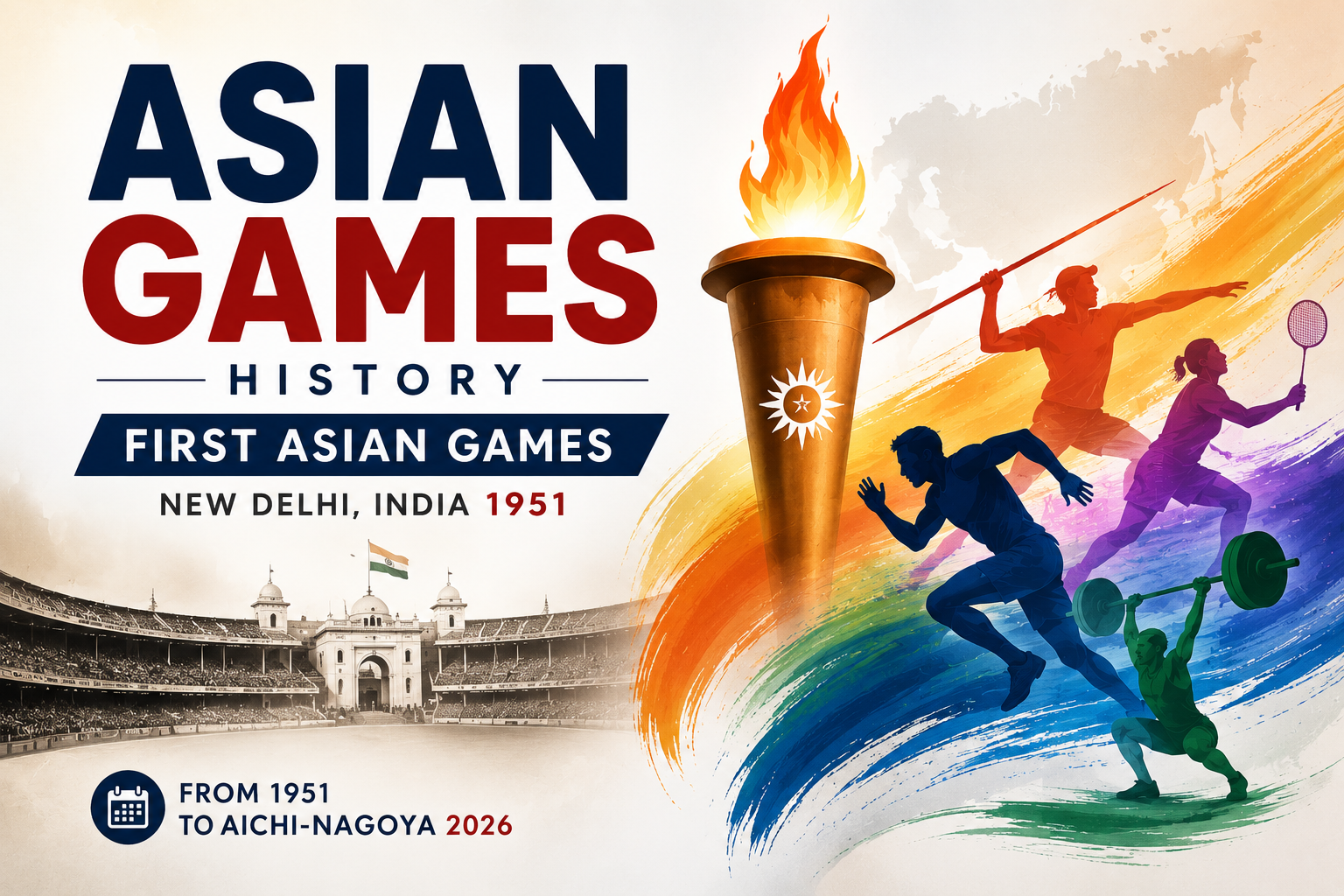
Did you ever ask yourself how the Asian Games came about and what made the first Asian Games one of Asia’s largest sporting events? Started in New Delhi (INA) in 1951 with 11 National Olympic Committees (NOCs) and 12 sports.
Since then, the Asian Games have continued to grow in the number of hosts, sports, winners, and memorable moments. Learn about the Asian Games, Asian Games History, Asian Games host countries, Asian Games country list, Asian Games winners and medals for each edition, and Asian Games development up to Aichi-Nagoya 2026.
First Asian Games: New Delhi 1951
1st Asian Games were celebrated in New Delhi, India, in 1951. The opening of the Games was on 4th March, and the closing of the Games was on 11th March, when New Delhi witnessed the inauguration of the Modern Asian Games.
This first edition was due to be held in 1950, but was postponed due to preparatory work till 1951. The Olympic Council of Asia (OCA) says that for the first time, 11 National Olympic Committees, 12 sports, 57 events, and 489 athletes took part in the Games.
Where Were the First Asian Games Held?
It was in New Delhi in the month of March 1951 that the first-ever Asian Games was organized. It was India’s turn to host the 9th edition of the Games, the day of Asia; after all, this was the first city in the year to be hosting the games either for the second time in history or the second time in India’s history!
The selection was of scientific importance as India has contributed significantly towards the formation of organised sports in Asia and the Asian Games Federation.
First Asian Games Participating Countries
One hundred and eleven National Olympic Committees (NOCs) were present at the first Asian Games.
The participating countries were:
- Afghanistan
- India
- Indonesia
- Iran
- Japan
- Myanmar
- Nepal
- Philippines
- Singapore
- Sri Lanka
- Thailand
Sports at the First Asian Games
The sports programme at the first Asian Games was significantly smaller than that of the present Games.
According to the official record of the OCA, there are 12 sports and 57 events; athletics, basketball, cycling, football, weightlifting, swimming and diving are part of the programme.
First Asian Games Winners and Medal Table
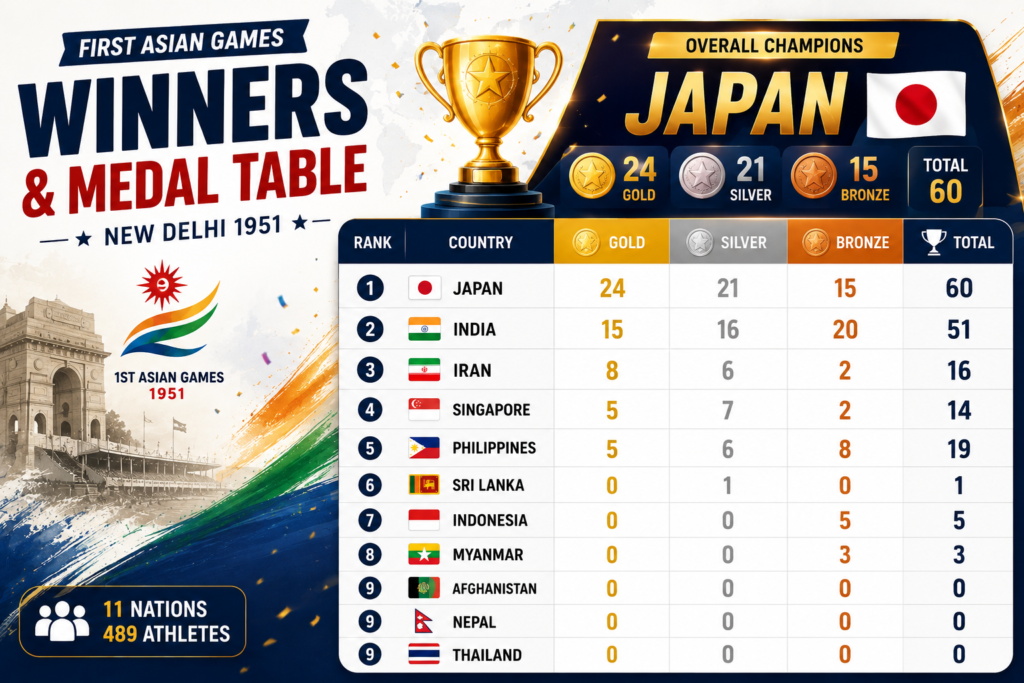
Japan came out as the leader in medals at the very first Asian Games.
Japan won a total of 21+15 medals (and 24 gold) to secure a total of 60 medals for Japan. With 15 gold, 16 silver and 20 bronze medals, India was in 2nd position in the medals table while Iran had eight gold, six silver and two bronze medals in their kitty and 3rd in the medals table.
| Rank | Country | Gold | Silver | Bronze | Total |
| 1 | Japan | 24 | 21 | 15 | 60 |
| 2 | India | 15 | 16 | 20 | 51 |
| 3 | Iran | 8 | 6 | 2 | 16 |
| 4 | Singapore | 5 | 7 | 2 | 14 |
| 5 | Philippines | 5 | 6 | 8 | 19 |
| 6 | Sri Lanka | 0 | 1 | 0 | 1 |
| 7 | Indonesia | 0 | 0 | 5 | 5 |
| 8 | Myanmar | 0 | 0 | 3 | 3 |
| 9 | Afghanistan | 0 | 0 | 0 | 0 |
| 9 | Nepal | 0 | 0 | 0 | 0 |
| 9 | Thailand | 0 | 0 | 0 | 0 |
Asian Games History
Although the First Asian Games took place in 1951, their roots go further back. Here is the Asian Games History in the following:
1913: Far Eastern Championship Games
The Far Eastern Championship Games were first held in Manila in 1913. The OCA describes them as the first official international multi-sport Games held in Asia. They continued until 1938.
1934: West Asian Games
The West Asian Games began in New Delhi in 1934, providing another regional sporting platform in Asia.
1948: The Asian Games Idea Takes Shape
During the London Olympics, Asian NOC leaders discussed bringing the different regional sporting traditions together into one Asian competition.
1949: Asian Games Federation
It was in New Delhi in 1949 that the Asian Games Federation was established. It set up its headquarters in the Indian capital, too.
1951: The First Asian Games
The inaugural modern-day Asian Games were held in New Delhi two years later.
1981–1982: The OCA Era
Asian sports leaders decided to change the name of the Asian Games Federation in 1981 and made it the Olympic Council of Asia (OCA). The First Asian Games under the OCA were held in New Delhi Games in India, in 1982, and the OCA officially moved its headquarters from India to Kuwait.
The 1982 Games were also significant in competition terms as China came to the fore and took over from Japan as the top winners. This year was also a big year for the Games as it marked not only the shift of Japan as the prominent medal leader but was also important for its competitive value as China.
2002: A Historic Korean Moment
The Korean Peninsula united at last for the first time in the history of the Asian Games in Busan in the year 2002.
2018: Another Milestone
The OCA got the chance to win the 1st gold medal in the Asian Games in 2018, which was held in Jakarta-Palembang, Indonesia.
2023: Hangzhou
Though the name is officially ‘Hangzhou 2022 ‘, these games have been postponed and will now be held in 2023. This is important when it comes to an updated Asia Games schedule.
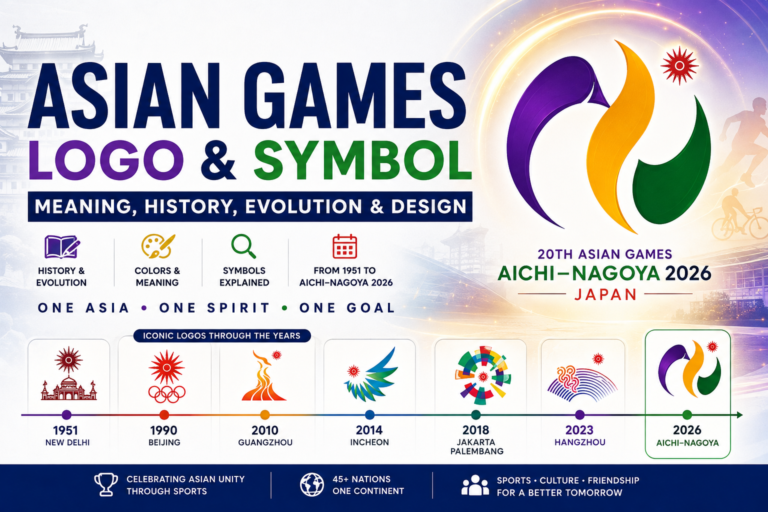
2026: Aichi-Nagoya
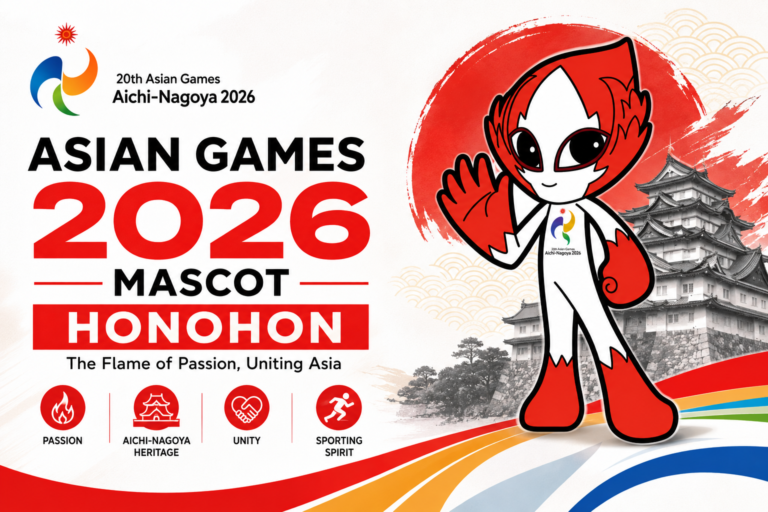
The 20th edition of the Asian Games will be hosted by Aichi-Nagoya, Japan, from 19th September to 4th October. For the third time in the history of the Asian Games, Japan will host the events, with Tokyo having done so in 1958 and Hiroshima in 1994.
Asian Games Host Countries and Editions
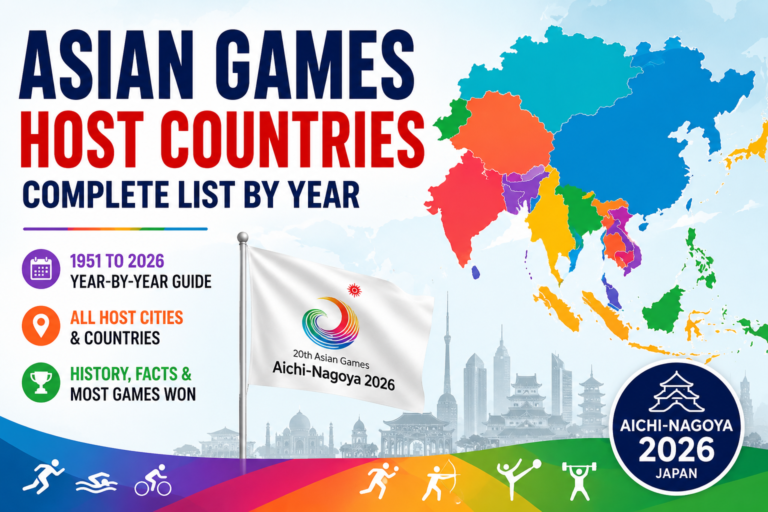
Improving from the inaugural edition of the Asian Games in 1951 in New Delhi, the Asian Games have now evolved into a huge continental championship held in various countries of Asia.
| Edition | Year | Host City | Host Country |
| 1st | 1951 | New Delhi | India |
| 2nd | 1954 | Manila | Philippines |
| 3rd | 1958 | Tokyo | Japan |
| 4th | 1962 | Jakarta | Indonesia |
| 5th | 1966 | Bangkok | Thailand |
| 6th | 1970 | Bangkok | Thailand |
| 7th | 1974 | Tehran | Iran |
| 8th | 1978 | Bangkok | Thailand |
| 9th | 1982 | New Delhi | India |
| 10th | 1986 | Seoul | South Korea |
| 11th | 1990 | Beijing | China |
| 12th | 1994 | Hiroshima | Japan |
| 13th | 1998 | Bangkok | Thailand |
| 14th | 2002 | Busan | South Korea |
| 15th | 2006 | Doha | Qatar |
| 16th | 2010 | Guangzhou | China |
| 17th | 2014 | Incheon | South Korea |
| 18th | 2018 | Jakarta–Palembang | Indonesia |
| 19th | 2023 | Hangzhou | China |
| 20th | 2026 | Aichi–Nagoya | Japan |
What Makes the Asian Games Different From the Olympics?
Many of them have been featured in the Asian Games and the Olympic Games, but not all, as shown below.
The Asian Games are different from the Olympics in the sense that they are run for specific Asian NOCs, and not for all Asian stars.
Most Successful Countries in Asian Games History
The Japanese excelled in the early years of the Asian Games. It topped the medal count at the inaugural games in 1951 in New Delhi and has held its own in the initial games to date.
However, the focus shifted at another big event, namely the 1982 New Delhi Asian Games, where China passed Japan in the medals. The OCA maintains that China was later the biggest winner at the following Asian Games.
Frequently Asked Questions
The first Asian Games were held in the year?
1st Asian Games were held in New Delhi, India, from 4th to 11th March 1951.
The first Asian Games were in which city?
The first Asian Games were organized in New Delhi, India. Dhyan Chand National Stadium was the main stadium.
In which country were the 1st Asian Games organised?
New Delhi was the host city for the 1st edition of the Asian Games in 1951 in India.
In how many countries were the first Asian Games held?
In how many countries were the first Asian Games held? There were 11 National Olympic Committees at the first-ever Games.
Final Thoughts
The First Asian Games that held in New Delhi in 1951, was not just the start of a sporting competition but was much more. The birth of such a single platform was to enable all the Asian athletes to play, to represent, and to strengthen the link between the Asian athletes.
Starting with 11 NOCs and 489 athletes in 1951, the Asian Games have grown to become an important Asian continental game comprising all 45 NOCs. It has featured in various host cities, expanded sports programs, significant organizational changes, and tremendous moments that have led to greater Asian sport.